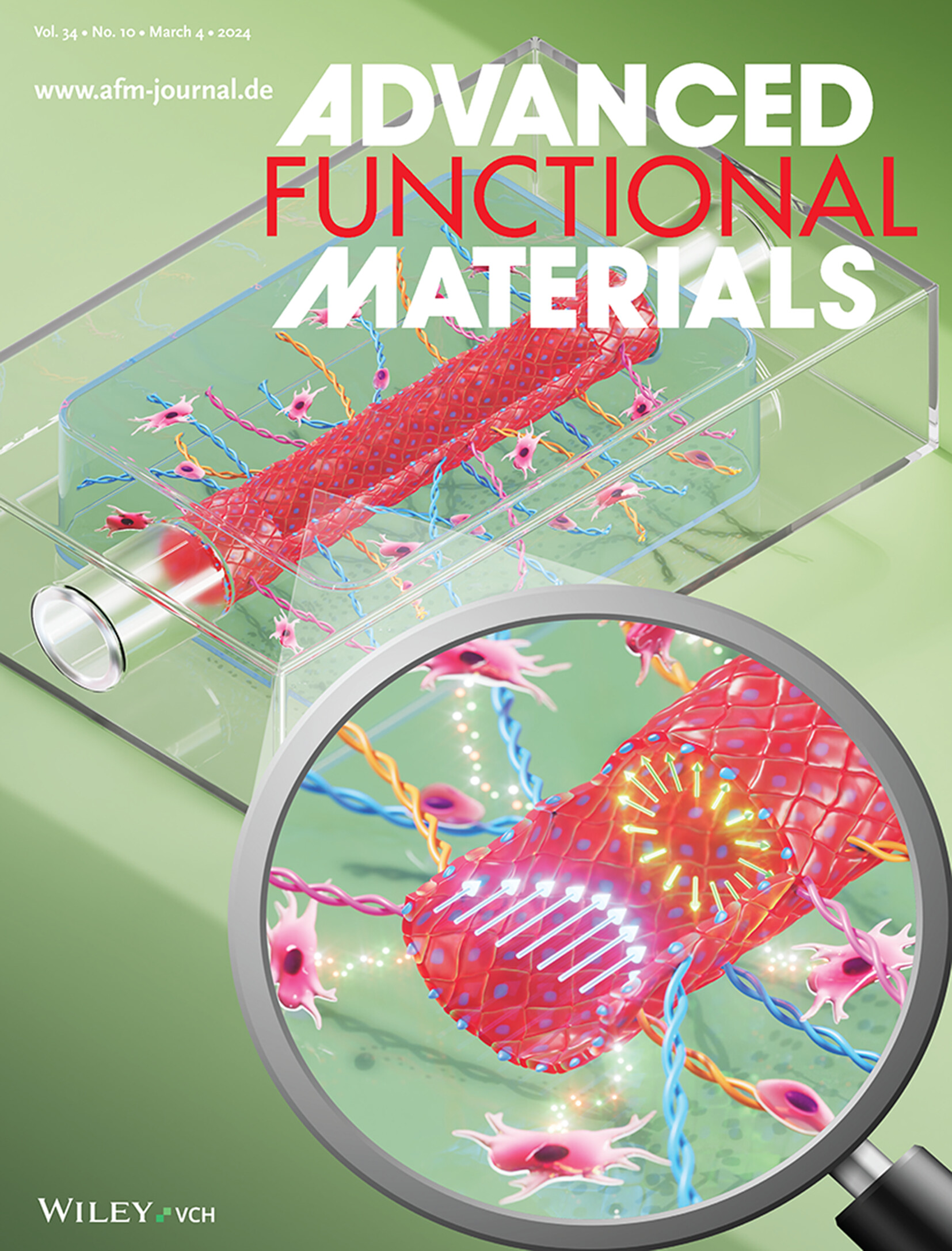
Engineered a 3D circular, matrix-embedded microvasculature-on-chip that sustains physiologically relevant shear distributions, enabling controlled studies of endothelial mechanotransduction within ECM and stromal co-culture contexts.
The ECM.MV.Chip platform was developed to address key limitations in existing vascular organ-on-chip models by recreating a physiologically relevant pulmonary microvasculature embedded within a three-dimensional extracellular matrix (ECM). Using a simple yet robust casting strategy, the system forms long, circular microvascular channels within a tunable natural hydrogel that can be populated with primary human lung endothelial cells and stromal fibroblasts, enabling controlled studies of vascular biomechanics and cell–matrix interactions. Computational and experimental analyses demonstrated that circular channel geometry produces uniform wall shear stress distributions across the endothelial monolayer, in contrast to rectangular microchannels commonly used in microfluidic systems, which generate spatially heterogeneous mechanical forces. The platform also allows precise modulation of ECM stiffness to mimic healthy or disease-relevant lung microenvironments and supports multicellular co-culture under continuous perfusion, enabling investigation of endothelial–stromal signaling and pulmonary vascular pathophysiology. Together, these advances establish ECM.MV.Chip as a versatile human-relevant microphysiological system for studying lung vascular biology, modeling disease mechanisms, and enabling preclinical therapeutic discovery.